
How We’re Getting the Immune System Over Its Beef With Pig Kidneys
The immune system is picky about xenotransplantation, especially when it comes to pig kidneys. For a long time, it’s had an almost 100% left-swipe rate. But researchers are starting to change that. They’ve figured out how to help the immune system look past the profile photo, read the bio, and, in some cases, swipe right on pig kidneys instead of rejecting them based gym pics and overt mewing…
Feeling Overworked and Underappreciated? So Are Your Kidneys
Your kidneys are the ultimate overachievers. They clock in before you do, never take lunch, and somehow manage to filter about 150 quarts of blood a day without asking for a raise, a standing desk, or even a Starbucks gift card . If there were an Employee of the Month award inside your body, your kidneys would have a wall of plaques and a row of body branded stress balls…

PKD Meet Your Kryptonite: A Tiny RNA Blasting Cysts from the Inside
For decades, polycystic kidney disease has been treated by managing the damage it causes, not the process that drives it. A new RNA based approach, tested in preclinical studies, aims to do something more precise: slow cyst growth at its source and help preserve kidney function for longer…

Why So Many Donor Organs Are Lost and How CMS Plans to Fix the System
About 1 in 5 recovered organs are discarded, including many that could have been transplanted. CMS is proposing stricter oversight of the 56 U.S. organ procurement organizations to reduce wasted organs, tighten quality and safety standards, and make transplant performance more consistent nationwide…
Protein After Kidney Transplant: The Modern Standard of Care
Protein advice online is built for the general public. Transplant life isn’t. Here’s how today’s post-transplant care approaches protein with stage-based targets, lab trends, and long-term strength in mind, not a one-size-fits-all number…
Tegoprubart: A Next-Generation Anti-Rejection Therapy
Before 1994, kidney transplant failure within five years was common. Tacrolimus improved survival, but serious side effects and long-term organ damage became widely accepted as inevitable. Now, a new drug suggests transplant medicine may be entering its next phase without the same cost to the body…

Inside UCLA’s Effort to End Required Lifelong Transplant Anti-Rejection Drugs
For decades, surviving a transplant has meant taking powerful anti-rejection drugs for life. A UCLA clinical trial using donor stem cells is testing whether retraining the immune system could finally change that tradeoff…

Scientists Discover the Hidden Cellular Code That Constructs Every Human Face
By linking genes to specific cell programs active early in development, this study shows when congenital craniofacial differences first begin. Knowing this timing helps researchers understand when future efforts to lower the risk or severity of these conditions might one day be possible…

Stanford Study Finds Common Virus Triggers Lupus and Impacts Immune Regulation
Nearly 90% of adults carry the Epstein–Barr virus, but only a small fraction develop lupus. Stanford researchers now believe they know why and how EBV affects immune regulation at large…
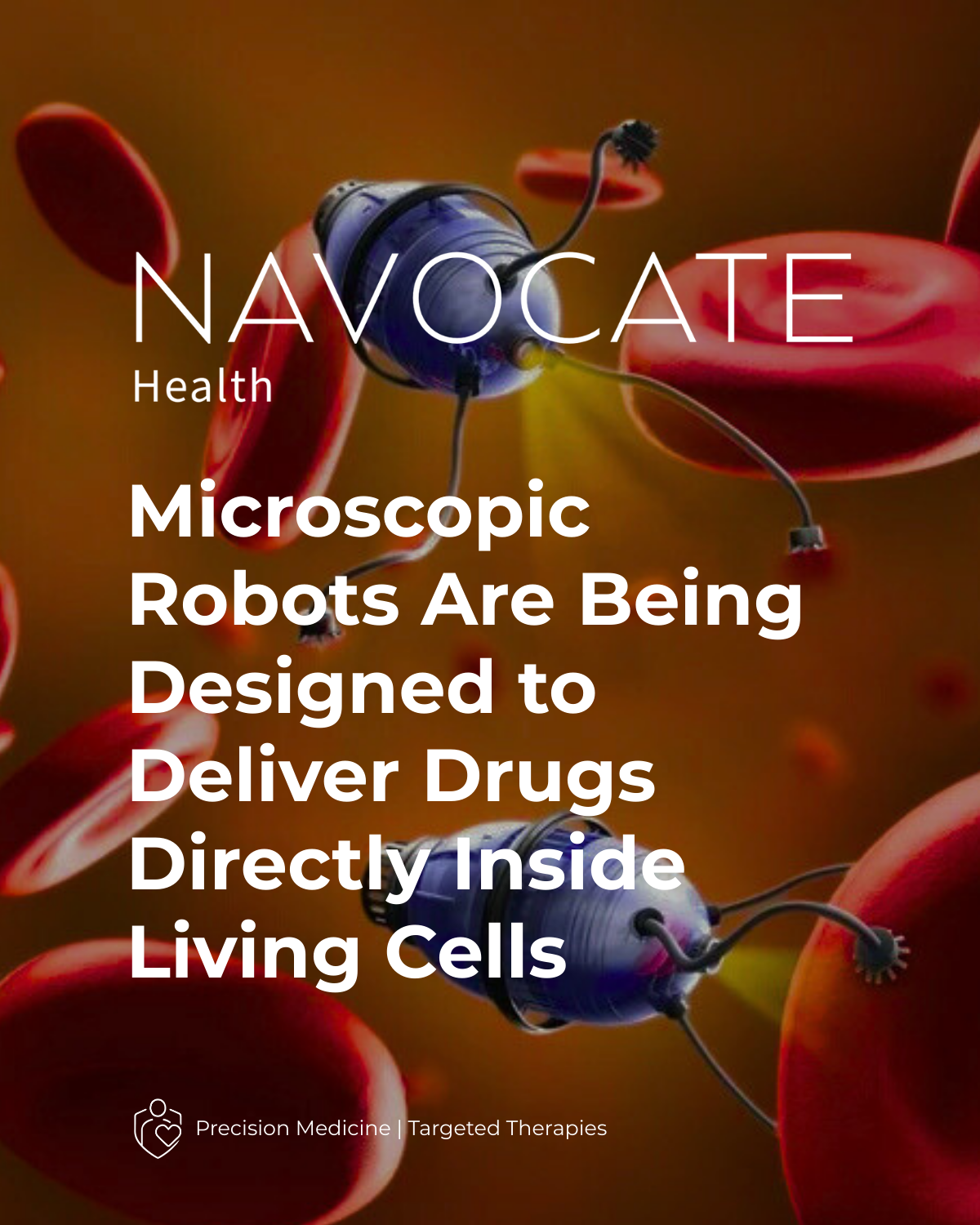
Microscopic Robots Are Being Designed to Deliver Drugs Directly Inside Living Cells
Researchers can now steer microscopic, drug-loaded robots through fluid environments using external magnetic fields, an idea that was science fiction just a decade ago…

Toyota’s “Walk Me” Robotic Chair: A Crab-Inspired Mobility and Accessibility Revolution
A prototype robotic chair that walks instead of rolls could one day help people navigate stairs, uneven terrain, and daily mobility challenges that traditional wheelchairs cannot…

A Donor Kidney Is Converted to a Universal Blood Type and Successfully Transplanted
For the first time, scientists convert a donor kidney to a universal blood type, a development that could expand kidney transplantation to thousands more patients…