
Inside UCLA’s Effort to End Required Lifelong Transplant Anti-Rejection Drugs
For decades, kidney transplantation has carried a difficult tradeoff. A new organ can save your life, but keeping it often means taking powerful immunosuppressive drugs every day, for the rest of your life. These medications prevent rejection, but they also raise the risk of infections, cancer, diabetes, nerve damage, and long-term harm to the heart and kidneys.
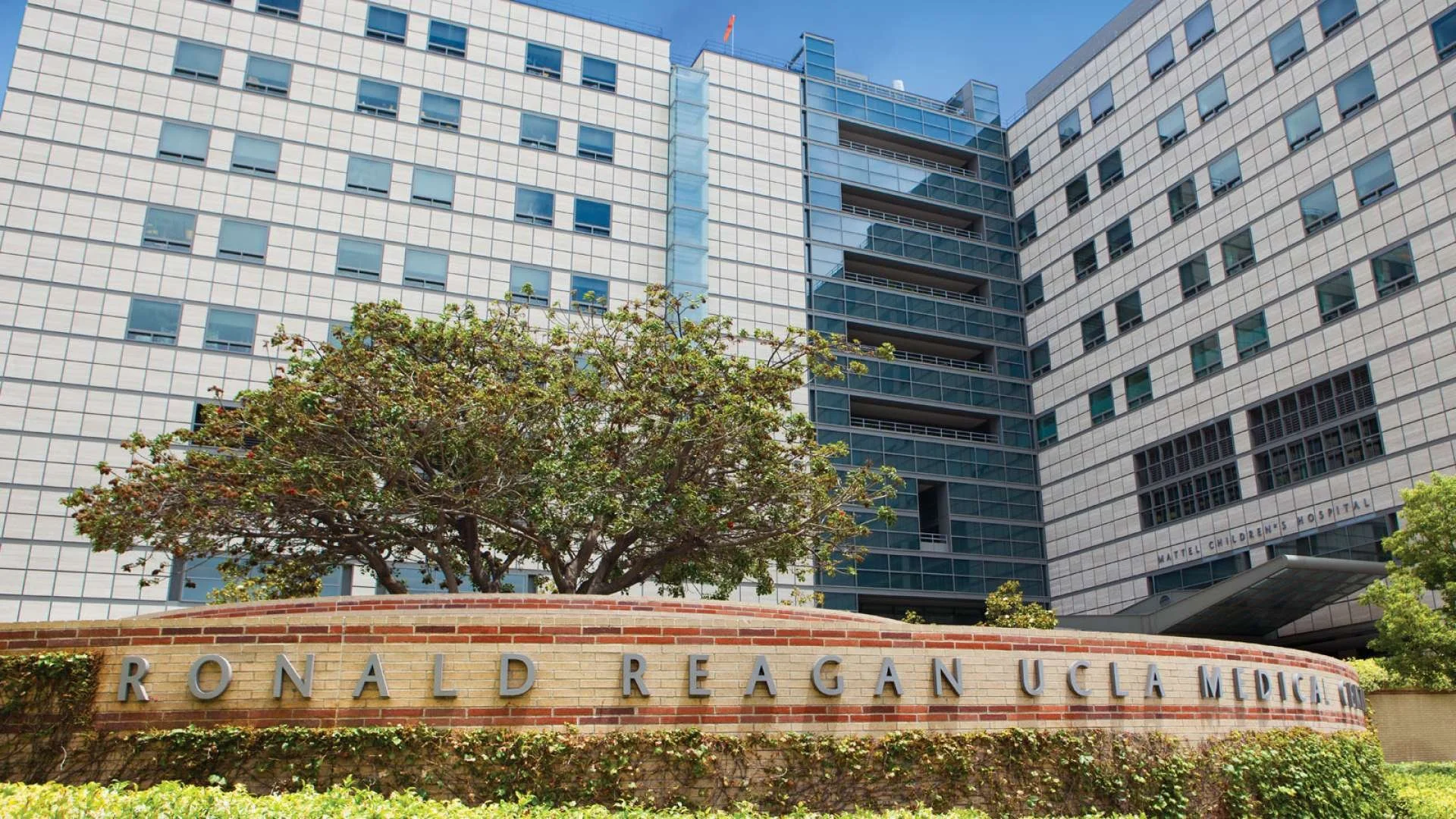
Now, a clinical trial at UCLA is testing helping the immune system accept a transplanted kidney without the need for lifelong immunosuppression.
Not by weakening the immune system, but by teaching it tolerance.
The Problem With “Lifelong” Immunosuppression
Modern immunosuppression changed kidney transplantation in the mid-1990s. After tacrolimus entered widespread use in 1994, one-year kidney transplant survival climbed to around 90 percent or higher, a dramatic improvement over earlier eras. Short-term outcomes improved, but long-term tradeoffs became clearer with time.
Chronic immunosuppression is now one of the main reasons transplant recipients still face higher rates of serious complications. Infections and malignancies remain leading causes of illness and death after transplant. Cardiovascular disease is still the single most common cause of death in kidney transplant recipients. Calcineurin inhibitors like tacrolimus, while highly effective against rejection, are also directly nephrotoxic and contribute to chronic allograft injury, meaning the drugs that protect the kidney can also slowly damage it. Long-term metabolic complications such as diabetes, hypertension, cancer, osteoporosis, and dyslipidemia are common and add to this risk.
Because of this, transplant medicine has been pursuing immune tolerance for decades. The goal is straightforward and difficult: retrain the immune system to recognize the transplanted organ as “self” rather than as a target. If that can be done reliably, the field could move away from permanent, body-wide immunosuppression toward a future where some patients maintain their transplants with little or no chronic anti-rejection medication.
What UCLA Is Testing
The UCLA clinical trial builds on years of work in transplant immunology and cell-based therapies. The approach combines a kidney transplant with carefully timed infusions of donor-derived immune cells, including hematopoietic stem cells.
Why does this matter?
Your immune system learns what belongs to you by how it is trained at a cellular level. By introducing donor immune cells in a controlled way, researchers aim to re-educate the recipient’s immune system so it accepts the new kidney as part of the body, not as an invader.
In this trial, patients first receive standard transplant care. Then, over time, if testing shows their immune system remains stable and accepting of the kidney, doctors begin gradually reducing immunosuppressive medications. The ultimate goal is to see whether some patients can safely come off these drugs entirely while keeping a healthy, functioning transplant.
This is not experimental guesswork. The trial is built on decades of research into immune chimerism, tolerance induction, and cell-based immune modulation, fields that have steadily moved from theory into real clinical testing.
The Science Behind “Teaching” the Immune System
Modern immunology no longer sees the immune system as a simple on-off switch. It is a learning system, shaped by signals, cells, and timing.
Large peer-reviewed reviews in transplant medicine now describe how specific immune cell therapies can reshape immune responses, sometimes promoting long-term acceptance of transplanted tissue rather than chronic attack. High-impact journals like Nature Reviews Nephrology have documented how tolerance strategies are becoming one of the most important frontiers in transplantation research.
In other words, this is not a fringe idea. It is a central focus of where transplant medicine is going next.
The UCLA trial is one of the most concrete, patient-focused tests of whether this science can translate into real life: fewer drugs, fewer complications, and longer, healthier lives with a functioning transplant.
What This Could Change for Immunosuppressed People
If approaches like this succeed and scale, the impact could be enormous:
Lower long-term risk of infection and cancer
Less medication-related organ damage
Fewer drug side effects that affect daily life
Better long-term graft survival
A shift from “managing rejection forever” to “building durable immune acceptance”
This does not mean immunosuppressive drugs disappear tomorrow. Many patients will still need them. Some always will. But even reducing lifelong exposure could change outcomes in meaningful ways.
For transplant recipients, this represents something deeper than convenience. It represents a future where survival does not have to come with such a heavy, permanent physiological cost.
Promising, Not Proven Yet
This is still early-stage clinical work, and it needs to be treated that way. The UCLA approach will require longer follow-up, larger cohorts, and replication at other centers before anyone can claim it changes standard care. We still need to know how many patients can sustain tolerance, how long it lasts, and where the risks show up over time.
But the shift in strategy is real. For decades, transplant medicine has accepted permanent immune suppression as the price of keeping an organ. Now the field is testing whether parts of that burden can be reduced, or in some cases removed, by reshaping the immune response itself rather than continuously blunting it.
The UCLA trial is one example of that pivot. It is not a promise. It is a proof-of-concept attempt to move from lifelong, system-wide immunosuppression toward targeted immune reprogramming. If approaches like this hold up, the long-term future of transplantation may be defined less by how much medication a patient can tolerate, and more by how precisely the immune system can be taught to accept a new organ.
Sources
UCLA Health: Game changer for kidney transplant patients: UCLA clinical trial could eliminate need for lifelong immunosuppressive drugs
ClinicalTrials.gov (U.S. National Library of Medicine / NIH): Delayed Immunological Tolerance in Patients With Well-Functioning Kidney Transplants
California Institute for Regenerative Medicine (CIRM): The UCLA Delayed Immunological Tolerance After Kidney Transplantation Program
Clinical Journal of the American Society of Nephrology (CJASN): Long-Term Infectious Complications of Kidney Transplantation
PubMed Central / National Institutes of Health: Long-Term Toxicity of Immunosuppressive Therapy
At NAVOCATE Health, we make complex medical science understandable to empower people to advocate for themselves and navigate healthcare decisions with confidence.