
Stanford Study Finds Common Virus Triggers Lupus and Impacts Immune Regulation
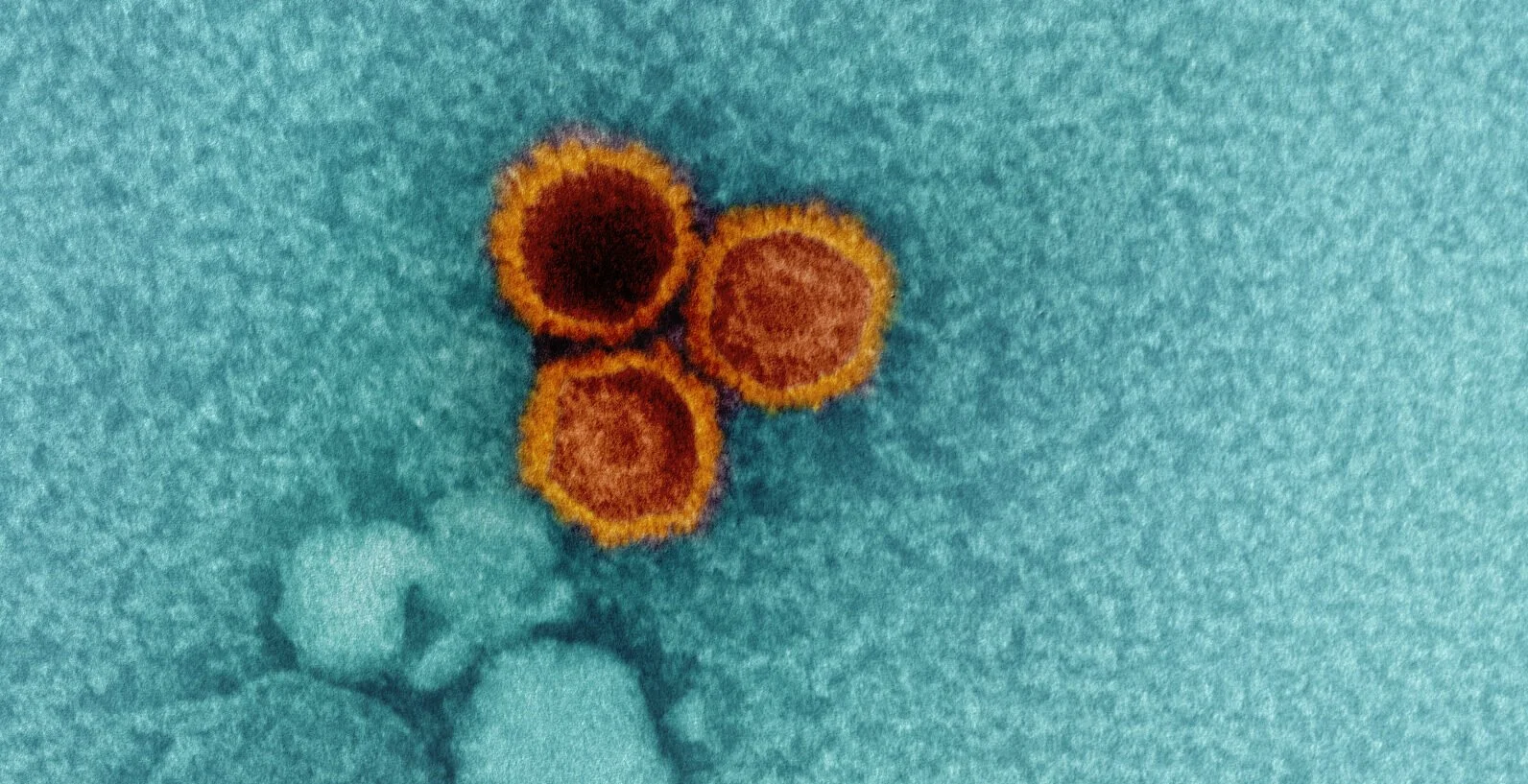
A real, colorized electron microscope image showing three tiny, round Epstein–Barr virus particles clustered together. Each particle looks like a small fuzzy amber ball with a darker center and a lighter, glowing edge, set against a blue background that represents human tissue.
Summary
Researchers at Stanford Medicine have identified how the Epstein–Barr virus can reprogram immune cells in ways that may trigger lupus long after infection. The findings help explain why a virus carried by over 90% of adults leads to autoimmune disease in only a small number of people, and point toward earlier detection and prevention strategies. The work also suggests broader implications for other autoimmune conditions impacted by long-term immune imprinting.
What Did Researchers Discover?
The study focuses on the Epstein–Barr virus (EBV), a widespread virus best known for causing mononucleosis. While EBV infects nearly 90% of adults worldwide, only a small fraction develop autoimmune diseases such as lupus.
Stanford researchers found that EBV can alter the behavior of immune cells called B cells, effectively reprogramming them in a way that may drive the immune system to attack the body’s own tissues. This provides a concrete biological explanation for a link scientists have suspected for decades.
How the Virus Affects the Immune System
In healthy immune responses, B cells help identify and fight infections. In lupus, however, these cells mistakenly target the body itself.
The study showed that EBV activates specific genetic switches inside B cells, pushing them into a state that promotes chronic inflammation and autoimmunity. Importantly, these changes persist even after the active viral infection has passed, suggesting the virus leaves behind a lasting imprint on the immune system.
This helps explain why lupus symptoms often appear long after an initial infection.
Why This Solves a Longstanding Medical Mystery
For years, researchers have struggled to understand why lupus disproportionately affects certain individuals, particularly women, despite widespread exposure to potential triggers like EBV.
By identifying a clear molecular pathway linking a common virus to autoimmune dysfunction, the study moves the field beyond correlation and toward causation, a major step forward in autoimmune research.
What This Means for Patients
While the findings do not change lupus treatment immediately, they offer important long-term implications:
Earlier identification of people at higher risk
New targets for therapies that interrupt the autoimmune process
Potential strategies to prevent disease onset before symptoms appear
For patients who have long been told that the cause of lupus is unknown, the research provides a clearer scientific explanation of how the disease may begin.
What Still Needs to Be Studied
Not everyone infected with EBV develops lupus, indicating that additional factors — such as genetics, hormones, or environmental exposures — also play a role.
Future research will need to determine:
Why some immune systems are more vulnerable to viral reprogramming
Whether similar mechanisms are involved in other autoimmune diseases
How and when interventions could safely disrupt this process
Why This Matters Beyond Lupus
EBV has been implicated in multiple autoimmune conditions beyond lupus, including:
Multiple sclerosis
Rheumatoid arthritis
Sjögren’s disease
Systemic sclerosis
Inflammatory bowel disease
Understanding how viruses impact immune function could shift how medicine approaches autoimmune disease more broadly, moving the focus toward preventing early immune triggers rather than treating late-stage symptoms.
EBV is also a long-recognized concern in organ transplantation, where immune suppression increases the risk of viral reactivation and EBV-related complications. The findings may help researchers better understand how prior viral exposure shapes long-term immune behavior in transplant recipients, particularly through persistent changes in B cells. While the study does not examine transplant patients directly, it raises broader questions about whether viral imprinting of the immune system could influence antibody formation, chronic inflammation, or long-term graft health.
Bottom Line
The study moves lupus research closer to a causal explanation by showing how Epstein–Barr virus can permanently alter immune cell behavior. While clinical applications remain future-facing, the findings open paths toward identifying risk earlier and interrupting disease before symptoms appear. They also raise broader questions about how prior viral exposure shapes immune-driven diseases and outcomes in immune-sensitive settings such as organ transplantation, where long-term immune control is central to patient survival.
Sources & Further Reading
Stanford Medicine: Stanford Medicine scientists tie lupus to a virus nearly all of us carry
Genetic Engineering & Biotechnology News: Common Epstein–Barr Virus Reprograms B Cells to Drive Lupus
News-Medical.net: Study links common Epstein-Barr virus to autoimmune lupus
Lupus Research Alliance: Lupus Research Alliance funds study to understand connection between the common Epstein-Barr virus and lupus
Jerusalem Post: Epstein-Barr virus linked directly to lupus in landmark Stanford medicine study