
Jordan spent most of her life in a kitchen. Her first memory is of her mother dancing around the kitchen with wooden spoon in hand and the sound of oil spattering in a cast iron skillet, and the smell of cornbread baking in the oven.
For nearly twenty years she worked as a chef. Not the quiet kind who hides in the back, but the kind who tasted everything. Sauces, broths, reductions simmering in small pans. Food was how she understood the world.
“Flavor is memory,” she likes to say. “You taste something and suddenly you're ten years old again.”
At forty-three, Jordan thought she understood hard work, long hours, and pressure.
She did not expect to learn an entirely different language.
The language of kidney failure.
It started quietly. Fatigue she blamed on work. Swelling she blamed on standing too long in a hot kitchen. Then came the bloodwork. Then another round of tests. Then the conversation with a nephrologist who spoke carefully and slowly.
End-stage renal disease.
Jordan remembers staring at the doctor and saying the first thing that came to mind.
“So… what exactly does that mean for dinner?”
She laughs about that now, but at the time nothing felt funny. Her life had been built around food, and suddenly food itself became complicated.
Low sodium.
Restricted potassium.
Limited phosphorus.
Fluid limits.
The dietitian handed her a stack of printed pages.
Jordan remembers flipping through them and thinking, This doesn’t look like food. This looks like a chemistry exam.
“I had cooked professionally for two decades,” she said later. “But I felt like I had no idea how to feed myself anymore.”
News travels fast in tight communities. Within days her church had organized meal trains. Friends checked in constantly. Her phone buzzed all day with messages.
People showed up.
And yet Jordan describes a strange kind of loneliness that arrived alongside the support.
“Everyone wanted to help,” she said. “But nobody really understood what it felt like to wake up one morning and realize your body had changed the rules.”
Then came the conversation about transplant.
And another moment that froze her in place.
Her younger brother volunteered to get tested.
He was a match.
Jordan didn’t feel relief right away. She felt something closer to fear.
“What if it doesn’t work?” she asked the transplant team. “What if something happens to his kidney and I’ve taken that from him?”
She carried that worry quietly for weeks. The idea that if the transplant failed, she would somehow have let her family down.
Through NAVOCATE Health, Jordan connected with Kim, a patient advocate who understood transplant life in a deeply personal way. Kim had received an organ transplant herself, and after complications, two members of her own family had stepped forward as donors.
Jordan remembers the first time Kim shared that story.
“I told her, ‘You mean your family went through this more than once?’”
Kim nodded.
“She said, ‘Jordan, love doesn’t keep score the way fear does.’”
For Jordan, that sentence changed something.
Kim helped her slow down the avalanche of information surrounding transplant decisions. They talked through the medical realities. The risks. The possibilities. The emotional weight families carry in these moments.
“She never tried to talk me into anything,” Jordan says. “She just helped me understand what was actually true.”
There were other conversations too. Ones Jordan hadn’t expected to have.
Navigating the transplant system can be complicated for anyone. But research has shown that Black patients often face additional barriers in evaluation, referral, and access to transplant care.
Kim approached the subject carefully and directly.
“She told me, ‘Sometimes the system asks you to prove things other patients are simply assumed to have,’” Jordan recalls.
That insight didn’t discourage Jordan. It prepared her.
Instead of feeling intimidated during appointments, she arrived with questions. She asked for clarification when something didn’t make sense. She kept notes. She followed up.
“I stopped feeling like I was bothering people,” she said. “I realized I was participating in my own care.”
Meanwhile the dietary changes continued to reshape her daily life.
Fluid limits meant measuring water carefully.
High-potassium foods she once loved had to be replaced with new ingredients.
For a chef, it felt like relearning the entire craft.
Kim helped her think about it differently.
“She told me, ‘You already know how to create flavor. Now you're just working with a different pantry.’”
Jordan began experimenting again. New combinations. Different ingredients. Meals that worked within the restrictions her kidneys demanded.
“It wasn’t about what I lost,” she said. “It became about what I could still create.”
Eventually the transplant surgery arrived.
Her brother’s kidney began working almost immediately.
Recovery brought its own challenges, but slowly the exhaustion lifted. The world widened again.
These days Jordan still cooks.
Not in a professional kitchen anymore, but often for family and friends. And when she talks about the journey that changed her life, she always returns to one moment.
“The day my brother offered to be tested,” she says, “I thought the hardest part would be saying yes.”
She pauses and smiles.
“It turns out the hardest part was learning that I was allowed to accept that kind of love.”
Today Jordan spends much of her time speaking with other patients facing kidney failure, especially those who feel overwhelmed by the system they suddenly have to navigate.
“I know what that loneliness feels like,” she says. “Even when everyone around you is trying to help.”
Her goal now is simple.
“To make sure the next person walking into that diagnosis doesn’t feel like they’re doing it alone.”
Because sometimes the most powerful thing an advocate can offer is not just information. It’s compassion.
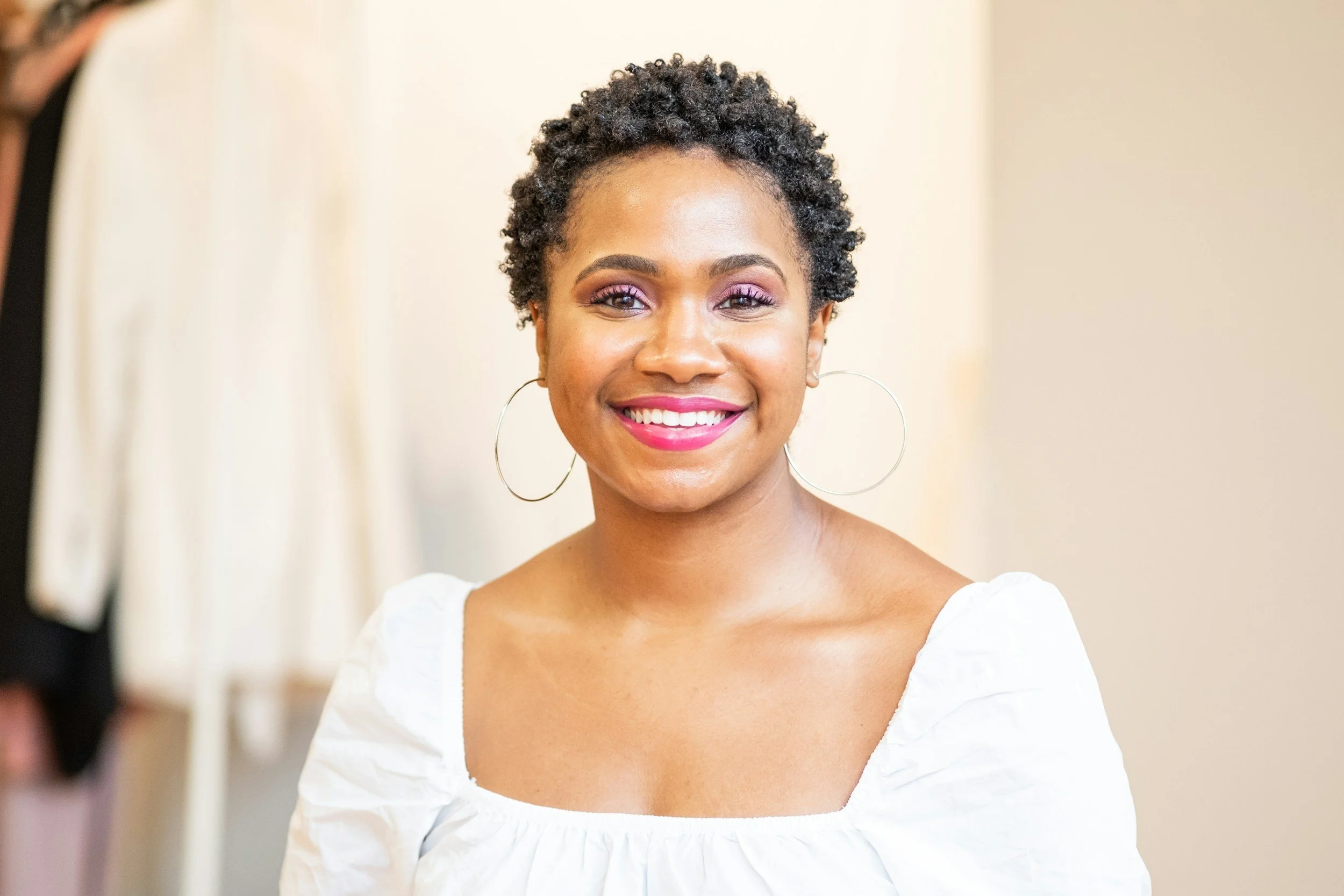
Jordan R.
Big Sister to Jaylon | Seasoning Queen | Front-Row Alto | Dance Cardio Devotee
Kidney Transplant Recipient